Table of Contents ↓
- The Rise of Contextual UGC Product Photography
- The Three Business Multipliers of In-Situ Imagery
- The Anatomy of Modern Studio Styling
- Mobile Photography Setup: Equipment & Camera Calibration
- The 5 Lighting Mistakes That Cheapen Brand Perception
- How to Refresh Your E-commerce Gallery
- Conclusion: Visuals Drive Conversions
When a customer visits a traditional brick-and-mortar boutique, their evaluation process engages all five senses. They pick up the product to gauge its heft. They run their fingertips across the fabric or brushed aluminum casing. They hold it up to a mirror to evaluate scale, and they absorb the curated ambiance of the retail space.
In digital e-commerce, that entire sensory symphony is stripped away. The prospective buyer cannot touch the leather, feel the weight of the ceramic jar, or smell the botanical essence. They are left with photons projected onto a glass smartphone screen.
For the past twenty years, e-commerce brands responded to this limitation by relying almost exclusively on sterile, white-background catalog packshots. While functional for inventory identification, isolated catalog shots fail to answer the most urgent emotional question in the consumer's mind: “What will owning this actually feel like in my everyday life?”
The Rise of Contextual UGC Product Photography
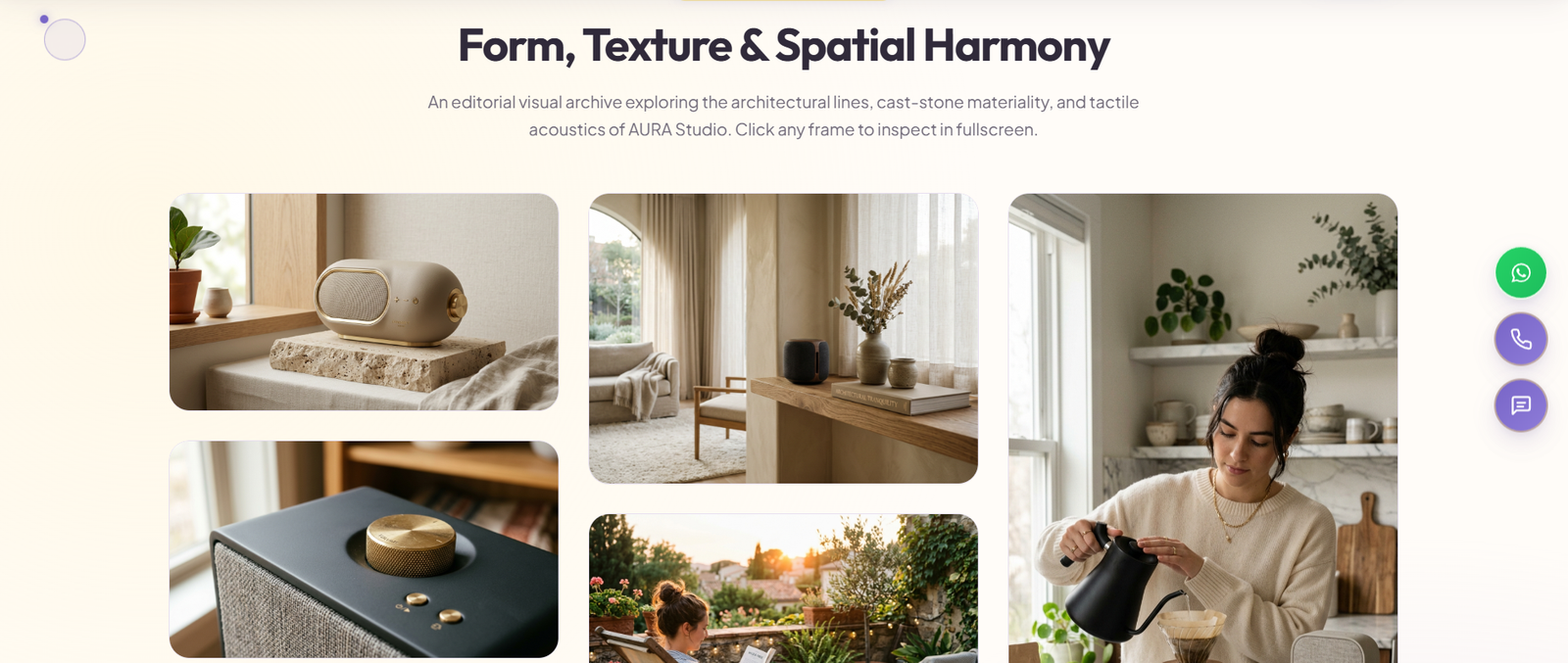
This fundamental gap gave rise to contextual UGC product photography. Rather than floating on a computer-generated white canvas, products are captured in authentic living environments: resting on sun-drenched oak desks, nestled inside leather weekend bags, or held by real human hands showing realistic scale.
At MY UGC VIDEO's creative studio, we have observed that brands that augment their white-background catalog shots with authentic in-situ imagery consistently experience three tangible operational benefits:
“White-background packshots verify that a product exists. Contextual lifestyle photography convinces the consumer that the product belongs in their home.”
The Three Business Multipliers of In-Situ Imagery
1. Significant Reduction in Return Rates
The leading cause of e-commerce product returns is the dreaded mismatch between customer expectation and reality: “The bottle was smaller than I thought,” or “The fabric texture looked completely different online.” Contextual photography featuring human hands, scale references, and natural lighting accurately communicates size, finish, and texture, aligning buyer expectations prior to purchase.
2. Immediate Elevation of Perceived Brand Value
Human psychology attributes value through contextual association. A minimalist skincare jar photographed alongside raw travertine stone, sheer linen curtains, and warm morning shadows subconsciously inherits the luxury attributes of that refined environment. This sensory association allows premium brands to justify higher price points without consumer friction.
3. Superior Omnichannel Utility
While white-background shots look completely out of place in social media feeds and email newsletters, in-context product photography transitions seamlessly across touchpoints. A single well-composed editorial lifestyle still can serve as your homepage hero image, your Instagram feed post, your Meta ad creative, and your email announcement banner.
The Anatomy of Modern Studio Styling
Creating modern editorial product photography requires a delicate balance between authentic imperfection and artistic intentionality:
- Embracing Natural Shadow Play: Traditional commercial photography strives to eliminate shadows using massive light diffusion boxes. Modern editorial photography treats shadows as emotional design elements. Crisp, gentle directional shadows cast by a morning window add depth, drama, and authentic three-dimensionality.
- Tactile Macro Textures: Zoom into the visceral details: the delicate bead of water condensation on a chilled botanical drink, the rich weave of organic linen, or the dewy droplet of serum poised on an amber glass dropper. These visual cues trigger mirror-touch sensations in the viewer’s brain.
- Minimalist, Organic Prop Styling: Props should support the product narrative, never overwhelm it. Choose natural materials: unvarnished wood, raw ceramic plates, organic stone, or dried botanicals that complement your brand's color palette without creating visual clutter.
Mobile Photography Setup: Equipment & Camera Calibration
You do not require a $6,000 medium-format camera system to capture high-converting e-commerce lifestyle imagery. Modern smartphones feature sensor sizes and computational raw processing that excel when calibrated properly:
- Lock Focus & Lower Exposure: Automatic smartphone cameras tend to overexpose natural shadows to brighten scenes artificially. Manually tap the product and slide the exposure meter down by 15% to 20%. This enriches color saturation and preserves subtle highlight detail in glass bottles and ceramic glazes.
- Clean the Physical Lens: It sounds trivial, but microscopic finger oils on smartphone lenses create hazy light flaring around bright spots. Wipe the lens with a microfiber cloth before every single shutter actuation.
- Utilize the 2x Optical Telephoto: Wide-angle smartphone lenses (1x default) introduce barrel distortion that warps straight product edges. Stepping back two feet and switching to 2x or 3x optical zoom flattens perspective, yielding true-to-life proportions.
The 5 Lighting Mistakes That Cheapen Brand Perception
Even the most exquisitely packaged cosmetic or leather good will appear cheap if lit incorrectly. Avoid these common studio missteps:
- Direct Harsh Overhead Sun: Blown-out white highlights that obliterate typography on the front label. Always diffuse direct sun with white scrims or sheer curtains.
- Mixed Color Temperatures: Combining warm 2700K tungsten interior room bulbs with cool 5500K natural window light creates chaotic yellow and blue tint banding across product surfaces. Always disable interior room lamps when shooting near daylight.
- Distracting Specular Glare: Uncontrolled light bounces off glossy plastic or glass bottles directly into the camera lens. Angle your light source 45 degrees relative to the product face to throw reflections away from the camera sensor.
Always capture product imagery in multiple aspect ratios simultaneously: 1:1 square for standard e-commerce carousels, 4:5 vertical for Instagram posts and paid ads, and 16:9 horizontal for desktop website banners. Planning for responsive layouts prevents awkward image cropping later.
How to Refresh Your E-commerce Gallery
If your product pages currently display only studio render shots, begin by introducing a curated 5-image visual gallery:
- Image 1 (Hero): Clean front-facing product still with subtle shadow.
- Image 2 (In-Hand Scale): Product held by an authentic creator showing precise real-world dimensions.
- Image 3 (Macro Texture): Extreme close-up of formulation, stitching, or material finish.
- Image 4 (Living Environment): Product integrated into an aesthetic bathroom vanity, workspace desk, or kitchen counter.
- Image 5 (Routine / Action): Product actively in use (e.g. being applied, worn, or poured).
Conclusion: Visuals Drive Conversions
In modern digital retail, words inform the intellect, but imagery moves the heart. By investing in thoughtful, context-rich UGC product photography, your brand bridges the sensory gap of e-commerce, turns passive browsers into confident buyers, and establishes an enduring aesthetic benchmark that distinguishes you from competitors.
Ready to Create Content That Converts?
MY UGC VIDEO connects ambitious brands with vetted creators to produce authentic, scroll-stopping UGC video content engineered for results.